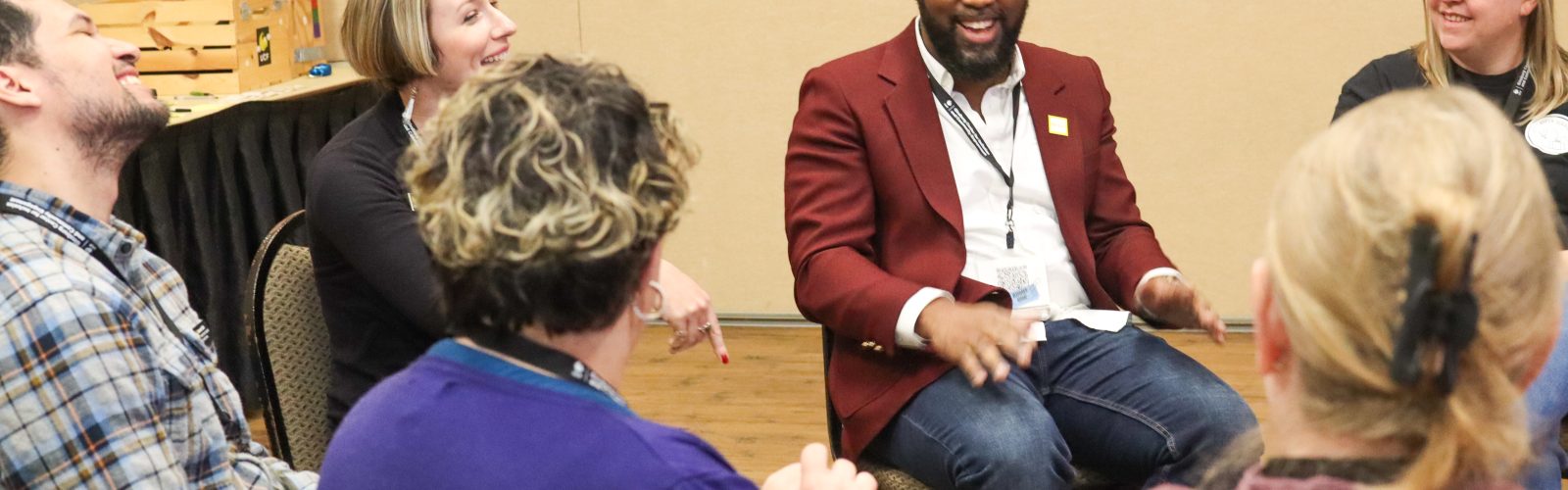
The UCF Ginsburg Center’s training program is one of the most prolific in higher education. You can pursue certificates and training individually or as a departmental effort to improve performance and our learning and work environments.
Workshop Schedule
All workshops are free unless otherwise noted. Please note that locations vary. Other opportunities for workshops may be scheduled by calling (407) 823-6479 or by emailing Kavita.sawh@ucf.edu.
UCF Certificates
There are currently no certificates being offered at this time. Please stay tuned for further updates.
Workshop offerings
Our workshops are geared to enhance workplace development for the UCF community and corporate partners. Select one of our offerings to view details about the workshop. UCF community members are encouraged to register via Workday Learning Browse Learning Content. For questions about our offerings please contact us at lod@ucf.edu.
Support individuals transitioning from military to civilian environments with practical insights, resources, and strategies.
Learning Outcomes:
- Understand common challenges faced during transition from military to civilian life.
- Apply strategies to provide effective support and guidance.
- Enhance engagement and integration for smoother adjustment to civilian roles and environments.
In today’s organizations, teams often operate within separate functions, priorities, and workflows. Effective collaboration across departments strengthens relationships, improves coordination, and supports shared goals. Participants will explore practical strategies to identify and reduce barriers, enhance communication, and work more effectively across teams.
Learning Outcomes:
- Identify common barriers to cross-department collaboration and approaches for addressing them.
- Apply practical communication and coordination techniques to improve teamwork.
- Build stronger professional relationships that support efficiency and shared objectives.
In today’s workplaces, individuals come from all walks of life, bringing a wide range of beliefs, experiences, perspectives, and communication styles. Effective communication builds trust, enhances collaboration, and drives productivity across these differences. Participants will explore practical techniques to improve clarity, practice active listening, and deliver constructive feedback in ways that promote understanding and mutual respect.
Learning Outcomes:
- Strengthen clarity and active listening to communicate effectively with individuals who bring different perspectives and experiences.
- Apply constructive feedback techniques to navigate challenging conversations with professionalism and confidence.
- Adapt communication styles to build stronger, more productive team relationships.
In today’s workplaces, trust is essential for effective collaboration, communication, and performance. Strong teams are built on reliability, transparency, and accountability. Participants will explore practical behaviors and communication practices that strengthen trust, clarify shared expectations, and support productive working relationships.
Learning Outcomes:
- Apply behaviors that reinforce reliability, transparency, and accountability within teams.
- Strengthen communication practices that support trust and reduce misunderstandings.
- Identify common barriers to trust and apply strategies that maintain a collaborative team environment
In professional settings, effective dialogue supports collaboration, problem-solving, and strong working relationships. Civil discourse emphasizes respectful communication, active listening, and maintaining focus during conversations. Participants will explore practical techniques for engaging in constructive dialogue, even when opinions differ.
Learning Outcomes:
- Apply active listening and clear communication techniques in professional conversations.
- Engage in dialogue that maintains respect, focus, and professionalism.
- Manage differing viewpoints constructively to support collaboration.
Disagreements are a natural part of workplace interactions and can be addressed productively with the right skills. This session focuses on practical approaches to managing tension, addressing concerns early, and working toward workable solutions. Participants will practice strategies that promote calm, respectful, and solution-focused conversations.
Learning Outcomes:
- Use clear and respectful communication to address conflicts early.
- Apply strategies to remain calm, focused, and solution-oriented during difficult discussions.
- Identify common conflict triggers and apply approaches to reach productive resolutions.
Workplace challenges often require flexible thinking and thoughtful collaboration. This session introduces tools and techniques for generating ideas, evaluating options, and approaching problems from new angles. Participants will engage in structured activities that support innovation and effective decision-making.
Learning Outcomes:
- Generate new ideas and challenge default thinking patterns.
- Apply a structured process to evaluate options and select effective solutions.
- Build confidence in collaborative problem-solving and navigating ambiguity.
Accessible digital content supports usability, compliance, and effective communication. This session introduces foundational principles for creating documents, presentations, and online resources that are accessible and user-friendly. Participants will learn practical steps to improve accessibility across common digital platforms.
Learning Outcomes:
- Generate new ideas and challenge default thinking patterns.
- Apply a structured process to evaluate options and select effective solutions.
- Build confidence in collaborative problem-solving and navigating ambiguity.
Barriers within environments, processes, and communication can affect participation and access. This session examines common barriers encountered by individuals with disabilities and emphasizes the use of professional, respectful language. Participants will explore strategies to support effective communication and participation.
Learning Outcomes:
- Recognize physical, procedural, and communication barriers that impact access.
- Use professional and respectful language when discussing accessibility needs.
- Apply strategies to reduce barriers and support effective participation.
Providing access to programs, services, and learning environments requires thoughtful planning and practical strategies. This session focuses on best practices for supporting access and participation for individuals with disabilities. Participants will learn approaches that align with institutional responsibilities and day-to-day operations.
Learning Outcomes:
- Identify practical strategies to support accessibility in classrooms and services.
- Apply techniques to implement reasonable accommodations effectively.
- Understand how to create materials and environments that support full participation.
Sustaining energy and engagement is essential for long-term performance and well-being. This session helps participants recognize early signs of burnout and understand contributing factors. Practical strategies are shared to support healthy work habits and ongoing engagement.
Learning Outcomes:
- Identify indicators of burnout and their impact on performance.
- Apply strategies to manage stress, set boundaries, and maintain healthy work habits.
- Develop a plan to sustain energy, engagement, and productivity over time.
Short, intentional pauses during the workday can improve focus and reduce stress. These guided sessions provide structured time for reflection, mental reset, and renewal. Participants will learn techniques that can be easily integrated into daily routines.
Learning Outcomes:
- Practice techniques to reduce stress and restore mental energy.
- Use guided reflection to increase focus and clarity for work tasks.
- Integrate short, intentional breaks into daily routines to maintain productivity and well-being.
Clear and compelling messages strengthen communication and professional relationships. This session focuses on using storytelling techniques to engage audiences and convey ideas effectively. Participants will learn how to structure messages that resonate and support connection.
Learning Outcomes:
- Structure and present messages in a clear and engaging way.
- Apply storytelling techniques to enhance professional communication.
- Strengthen connections with colleagues and stakeholders through effective narratives.
Managing time and energy effectively supports productivity and reduces stress. This session introduces practical tools for prioritization, organization, and focus. Participants will explore strategies for aligning tasks with energy levels to maintain consistent performance.
Learning Outcomes:
- Use prioritization techniques to organize tasks effectively.
- Identify personal energy patterns and maintain focus throughout the day.
- Reduce distractions and establish routines that support productivity.
Balancing professional responsibilities with personal well-being supports long-term effectiveness. This session explores strategies for managing priorities, setting boundaries, and maintaining sustainable habits. Participants will reflect on patterns that influence balance and engagement.
Learning Outcomes:
- Identify stressors and patterns that impact balance.
- Apply techniques for setting boundaries and managing priorities.
- Develop sustainable habits that support long-term stability and fulfillment.
Student veterans may bring unique experiences and needs as they transition into academic environments. This session focuses on practical strategies for communication, engagement, and support. Participants will learn approaches that promote successful navigation of academic and campus life.
Learning Outcomes:
- Understand common academic and social needs of student veterans.
- Apply strategies to provide effective support and guidance.
- Foster positive engagement that supports student veterans’ success.
Digital Accessibility
Learn how to create accessible and compliant digital content that meets the needs of all users, including those with disabilities. We offer digital accessibility trainings that cover practical strategies, useful tools, and best practices to help you ensure your documents, websites, and media are usable by everyone. Visit the Digital Accessibility Lab webpage for more information.
For questions or concerns about digital accessibility, contact the Digital Accessibility Lab at digitalaccessibilitylab@ucf.edu.
Consultations and Presentations
In addition to Faculty, GTA, and New Employee Orientations, the Ginsburg Center provides a variety of consultations and presentations as a service to the UCF Community.
Consultations: A consultation is an individual or group meeting to assist in planning programs and events, expanding access for grant proposals, infusing the curriculum with engaging content and pedagogy in both new and existing courses, or discussing issues or incidents. Depending upon the circumstances, consultations may occur face-to-face, by e-mail or telephone.
Presentations: Members of the training staff are available to make presentations to classes, departments, organizations, and student groups. We also facilitate sessions at team retreats. Our presentations cover a variety of topics, and, if time, personnel, and resources allow, we will tailor specific presentations to meet your unique needs.
For more information, or to schedule a consultation or a presentation with any of the members of our training staff, please feel free to contact us.
Corporate Trainings
Corporate Trainings can help to improve relationships in your workplace and create a welcoming environment.
Community and Corporate Partners