WE HAVE
MOVED
OUR NEW ADDRESS
4127 Pyxis Lane
Ferrell Commons Building 7E, Room 165
Same Team – Same Support – New Home
We look forward to seeing you in the new location!
From the Director of Military and Veteran Student Success
Welcome to Fall 2026!!!
As we begin a new semester at the University of Central Florida, I want to personally welcome our military-connected students back to campus. Whether you are a veteran, active-duty service member, member of the National Guard or Reserves, military spouse, or dependent, you are an important part of the UCF community. Your experiences, resilience, leadership, and commitment to service enrich our campus and inspire those around you. We recognize the unique journeys that bring military-connected students to higher education, and we remain committed to ensuring you have the resources, support, and opportunities needed to achieve your academic, professional, and personal goals.
At the Office of Military & Veteran Student Success, our mission is to help you succeed from your first day at UCF through graduation and beyond. This year, we are excited to expand opportunities for mentorship, career development, community engagement, and student success through programs such as FORGE and our growing network of campus and community partners. I encourage you to stay connected, take advantage of available resources, and invest in relationships that will strengthen your UCF experience. Together, we will continue building a community where military-connected students can thrive, lead, and shape the future.
GO KNIGHTS!!! CHARGE ON!!!
Stay updated with MVSS and join our community on Campus ESP .
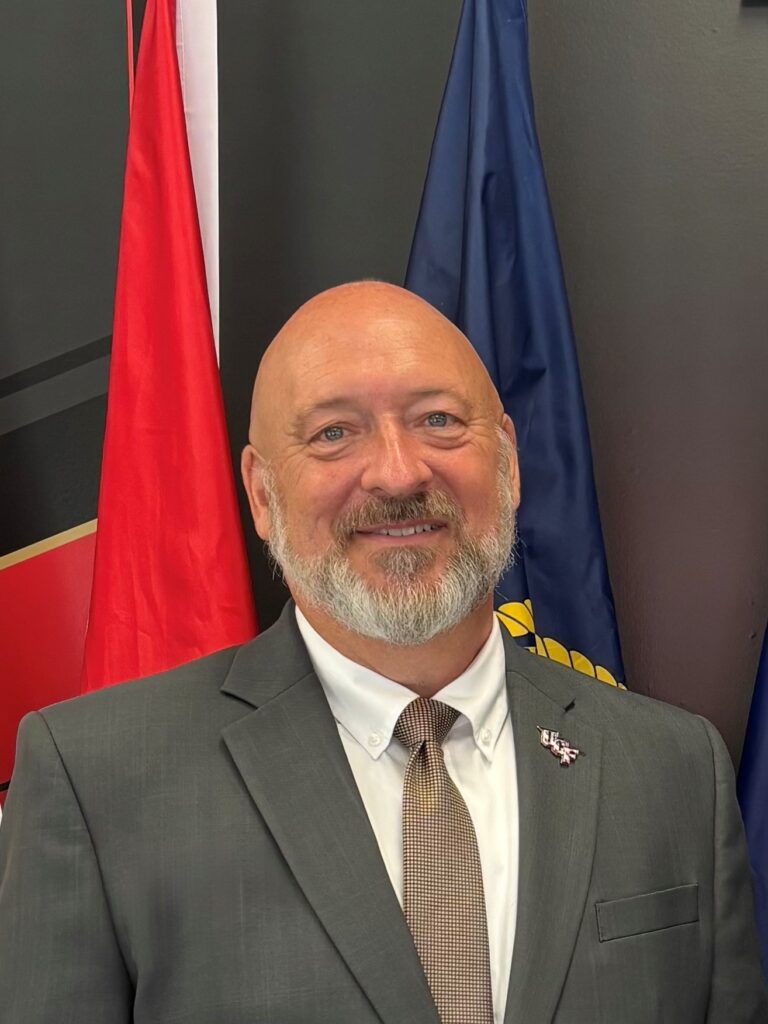
Michael Kepner, MS.
Director, MVSS
michael.kepner@ucf.edu
“THE ROUND TABLE”
HOW DO MONTHLY HOUSING / STIPEND PAYMENTS WORK?
When will I get my first GI Bill / Dependent Education Assistance payment?
If you signed up for direct deposit when you applied for education benefits, we’ll deposit your payment into your bank account 7 to 10 business days after you verify your school enrollment and the semester commences. This is the fastest way to receive your payment.
What should I do if I didn’t get my GI Bill payment?
Please contact the VA Education Benefits Customer Service line if your payment is late. You can call them toll-free at 888-442-4551. We’re here Monday through Friday, 8:00 a.m. to 7:00 p.m. ET.
Why is my monthly payment less than my monthly rate?
Your monthly payment may be less than your monthly rate for one of these reasons:
- You reduced your enrollment hours during the term. If you stopped taking some of your classes—or reduced your training time—after you received your award letter, we’ll need to adjust the benefit payment amount.
2. You attended classes for only part of the month. Classes often begin and end somewhere in the middle of a month, instead of on the first and last day of a month. So we’ll base your payment only on the part of the month you attend classes. For example, if your monthly rate is $800, and your classes start on August 19, we’ll pay you $320 for August 19 to 31.
Note: Your monthly rate is based on a 30-day period. The rate for a month that has 31 days (like October) is the same as the rate for a month with 30 days (like September).
VA ROUNDING OUT RULE: UPDATE
The VA “round-out” rule lets student veterans in their final semester enroll in extra, non-required courses to keep their full housing allowance. It applies only when taking your last remaining required classes to graduate and only applies to students who are utilizing the Post 9/11 GI Bill benefit.
Key Details of the Round-Out Rule
Usage limit: You can typically only use the rounding-out process one time per academic program.
Final term only: You can only use this option during your very last semester or term before graduation. You must have your Intent to Graduate filed and reflected in your student account for verification purposes.
Required prerequisites: You must be taking at least one (or enough) actual remaining required classes for your degree plan.
Boost housing pay: It raises your rate of pursuit so you receive your full monthly housing allowance (MHA) instead of a prorated amount.
FALL 2026 VA EDUCATION BENEFIT CERTIFICATIONS
Students planning to use VA education benefits for the Fall 2026 semester must submit a request for certification to their institution’s School Certifying Official (SCO) prior to the term start date, ensure they are registered in eligible courses that apply to their declared program of study, and provide any required documentation such as a Certificate of Eligibility (COE) or updated benefit status. Certification processing for University of Central Florida can be found here: https://access.ucf.edu/military/home/benefits-certification/
Students using Post-9/11 GI Bill benefits (Chapter 33) must also verify enrollment as required and understand that payments for tuition, housing, and books are tied to enrollment status and eligibility tier (https://www.va.gov/education/about-gi-bill-benefits/post-9-11/), while dependents using Survivors’ and Dependents’ Educational Assistance (Chapter 35) must confirm eligibility and maintain enrollment in an approved program (https://www.va.gov/family-and-caregiver-benefits/education-and-careers/dependents-education-assistance/).
All students are responsible for initiating certification each term, monitoring their VA account, and promptly responding to any requests from their school or the Department of Veterans Affairs to avoid delays in payment or enrollment certification.
Contact MVSC@UCF.EDU for more information.
Understanding Your VA Monthly Housing Allowance (MHA) & Semester Hours
If you’re using Post-9/11 or VRE education benefits, your MHA depends on your credit hours and class modality this term.
| Enrollment Level | Credit Hours | MHA You Receive |
|---|---|---|
| Full – Time | 12+ Credit Hours | 100% of MHA |
| 3/4 – TIme | 7-11 Credit Hours | Prorated MHA |
| Half – Time or Less | 6 Credit Hours or Fewer | No MHA Payement |
Graduate Programs and Accelerated terms may use different credit thresholds — always verify with your school certifying official.
Fully Online Student
Receive a reduced MHA at the national average rate for UCF, his is $1,115/month instead of $2,654/month.
At Least one in-person Class
Eligible for the full MHA rate based on UCF’s ZIP code.
IMPORTANT FINANCIAL AID DATES AND DEADLINES
FALL 2026 SEMESTER:
- Per UCF Academic Calendar:
- Classes Begin: August 24, 2026
- Add/Drop Deadline: August 28, 2026
- Withdrawal Deadline: October 10, 2026
- VA/Third Party Deferral Payment Deadline: November 27, 2026
- Last Day of Classes: December 3, 2026
- Final Exam Period: 4 – 10 December, 2026
- Commencement: 11 – 12 December 26
Please visit the UCF Academic Calendar for updated university dates and deadlines